

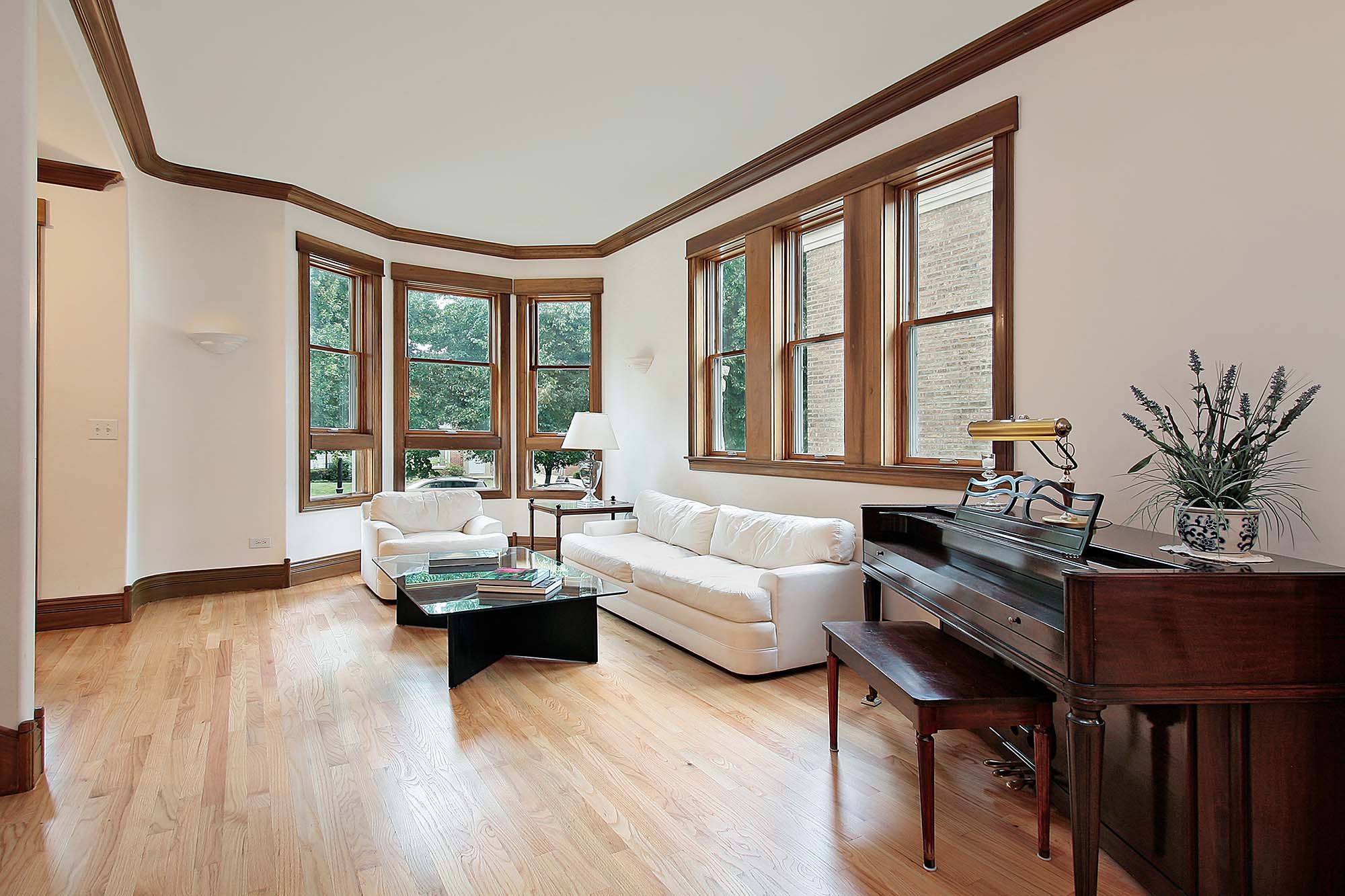
Vintage furniture is no longer just a budget workaround or a sentimental compromise. More homeowners are mixing inherited tables, older cabinets, antique chairs, vintage lamps, and secondhand finds into rooms that still feel current. The issue is that vintage pieces can either add depth or make the whole space feel tired. Flooring plays a bigger role in that outcome than most people expect.
A floor is the visual base that tells the room what era it belongs to. Put the wrong floor under vintage furniture and the space can look accidentally old. Put the right floor underneath it and the same furniture feels collected, layered, and expensive. This is where hardwood, carpet, tile, natural stone, and area rugs need to be selected with tone, texture, and proportion in mind.
Wood tone mixing needs contrast not confusion
Many vintage furniture pieces are made from warm woods such as oak, walnut, teak, mahogany, or cherry. That does not mean your floor has to match them. In fact, trying to match wood exactly often creates the biggest problem because near-matches can look slightly wrong. The better approach is controlled contrast. A medium walnut cabinet can look beautiful on a lighter oak floor, while a pale vintage table can stand out against a richer brown floor.
Undertone is the technical detail that keeps mixed woods from clashing. Woods with red, orange, yellow, brown, or gray undertones all behave differently. If a vintage piece has a strong red cast, avoid flooring that makes the red even louder unless that is the intended look. A neutral brown, soft natural oak, or muted warm floor can help vintage pieces feel calmer and more integrated.
Hardwood is the easiest way to make vintage feel intentional
Hardwood works well with vintage furniture because both have material honesty. The grain, variation, and natural warmth of hardwood can support older pieces without making the room look staged. Wide-plank hardwood can modernize the setting, while narrower planks can feel more traditional. The right choice depends on the home’s architecture and how much vintage furniture is being used.
Finish matters. A matte or low-sheen hardwood usually looks more current than a shiny amber floor. Heavy gloss can push vintage furniture into a dated formal look, especially with ornate dining sets or dark wood cabinets. If the room already has carved furniture, patterned textiles, or antique artwork, a calmer hardwood finish gives the eye somewhere to rest.
Carpet can soften vintage rooms without hiding character
Carpet is often overlooked in vintage-inspired rooms, but it can be the reason the space feels comfortable instead of museum-like. Bedrooms, reading rooms, staircases, and family rooms benefit from carpet because it adds acoustic softness and physical warmth. A subtle pattern, low-contrast loop, or tailored texture can pair beautifully with older furniture without making the room feel old-fashioned.
The key is avoiding carpet that imitates the exact era of the furniture too literally. A vintage chair does not need a vintage-looking carpet underneath it. Instead, choose a carpet with refined texture, a modern neutral, or a quiet pattern that supports the furniture. This keeps the room layered and current, especially when combined with clean wall colours and updated lighting.
Tile and stone can reset a collected interior
Tile and natural stone are useful when vintage furniture needs a stronger architectural base. A checkerboard tile floor can make an entry or powder room feel classic, but the colours and scale should be handled carefully. Black and white is high contrast and graphic, while cream and taupe feels softer. Stone-look porcelain can offer the character of natural material with easier maintenance in busy areas.
Natural stone can also work beautifully with vintage furniture, especially in entries, sunrooms, bathrooms, and formal spaces. Honed finishes usually feel more understated than polished finishes and can sit comfortably with aged wood, brass, linen, and old artwork. The important point is balance. If the furniture has visual weight, the floor should not be fighting for the same attention.
Area rugs are the bridge between old and new
Area rugs are often the easiest way to make vintage furniture work with newer floors. They can soften a hardwood room, add pattern over tile, define a seating area, or separate old furniture from a floor that does not perfectly match. A rug also gives homeowners more freedom to experiment because it is easier to change than permanent flooring.
Scale is the common mistake. A rug that is too small can make vintage furniture look stranded. In living rooms, at least the front legs of major seating pieces should usually sit on the rug. In dining rooms, the rug should extend far enough that chairs remain on the rug when pulled out. Good rug sizing makes the entire room feel more deliberate.
The vintage furniture comeback works best when the floor gives older pieces context. Warm hardwood, refined carpet, stone-look tile, natural stone, and properly sized area rugs can all help a room feel collected rather than dated. The goal is not to recreate the past. It is to give meaningful pieces a better setting for how people live now.
For homeowners in Chatham, ON, London, ON, and Sarnia, ON, Sacwal Flooring Centres can help compare flooring samples against existing furniture, trim, cabinets, and room lighting. Visit Chatham, ON, London, ON, Sarnia, ON, and Windsor, ON to explore hardwood, carpet, tile, natural stone, and area rug options in person, or contact us for flooring guidance that makes your home feel personal and pulled together.

